
Broadhead's Blasts: Sheffield's Union Men Who Meant Business
Category: Mob Fury 29th June 2026
Sheffield was a town that smelled of steel, steam and an attitude. In the 1860s a string of violent acts shook its workshops. Men wrecked property, set fires, lobbed explosives and beat anyone who crossed their line. The campaign went beyond a scuffle. It was organised intimidation aimed at enforcing union rules and punishing those who worked for less pay or crossed picket lines.
The name most folk who dig through the court papers meet is William Broadhead. He was a union official accused of running a dirty campaign that included letter threats, assaults and bombings. When a parliamentary enquiry hauled the matter into daylight in 1867 the scale of the outrage was plain. Men who once shared a cuppa in a snug shop back room were accused of wiring up explosives to scare employers. It reads like grim farce and a factory manual in equal measure.
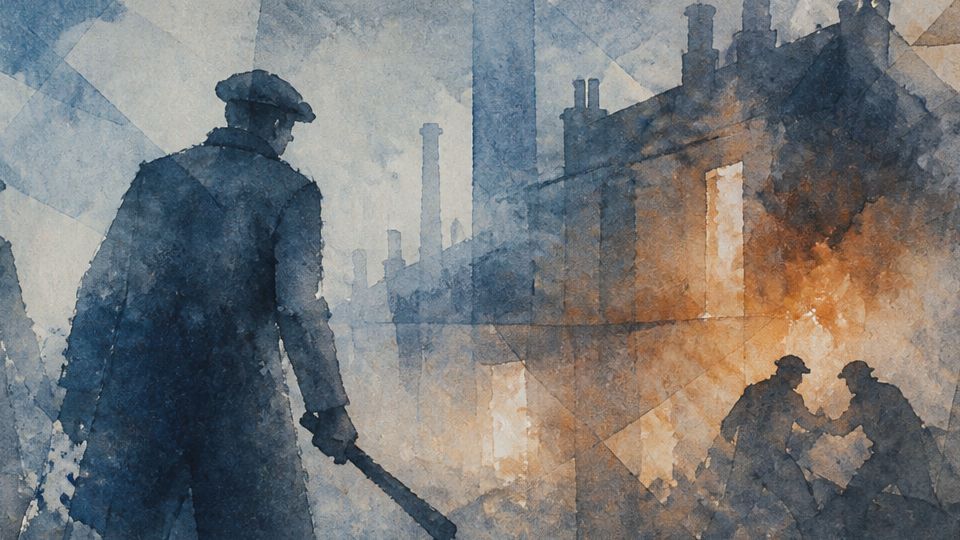
The violence was brutal and mucky. Victims found their doors smashed. Workplaces were left acky with soot and blood. A few men went arse over tit in the street after thugs knocked them about. Others were left with a clout that made them keep their heads down. The point was clear. Pay up or suffer the consequences.
Broadhead and his circle were no romantic heroes. Some called them beggars who had swaggered into terror. Others said desperate men pushed to extremes because the law and masters ignored fair bargains. The inquiry produced witnesses who named names. Arrests followed. Trials answered a public demand for order.
I say this as someone who admires a good scrap when it is worth the fight. This was not that. It was messy, cack-handed and dishonest. The tactics made trade unionism look like a gang's pastime. Folk in the town had to fettle their lives, mend broken locks and mind the ginnel at night. Families worried for their bairn. Neighbours whispered gi'or about who might be next.
History remembers the Outrages as a dirty episode that forced reform. The police got sharper. Parliament sat up. Men who once thought they could get brass by intimidation found the law waiting. People felt chuffed that order returned. Some never forgave the men who had been wazzocks and barmpots with a plan that blew up in their faces.