
Madame Rachel and the Cream of Confidence
Category: Fences Parlour 23rd June 2026
Golly, the Victorians loved a secret salon. Sarah Rachel Russell set up shop in Bond Street and called herself Madame Rachel. She promised preservation of youth and discreet counsel. The parlour was scented with receipts, chat and an air of soft conspiracy. Women pressed their golden trinkets into velvet hands and departed with lighter purses and heavier hopes.
Her method was elegant. Flattery first. Then potions that read like poetry on a label. Then the small, persuasive hint that only a faithful client could leave an heirloom for safekeeping. That practise turned into a legal problem when items vanished along with banknotes and the promises. London gossip took over. The press smeared the story with relish. The legal world answered with summonses and a trial in the 1860s that made polite society feel awfully exposed.
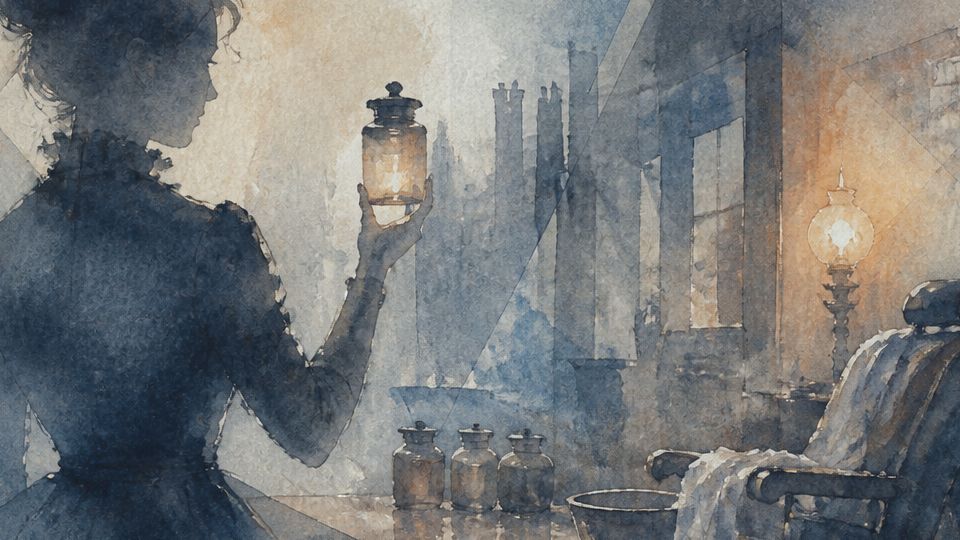
There was something jolly about the way the whole enterprise worked. Salon chairs, chintz, a whispered regimen, and a ledger pretending to be pious. The truth, plain as a napkin on a breakfast tray, was that Madame Rachel ran a confidence game in plain daylight. Her victims tended to be women who had been taught that appearance equalled respectability. That lesson, exploited, cost a great deal more than vanity.
The court found that the parlour offered false pretences. Sarah Rachel Russell was convicted for obtaining money and possessions by fraudulent means. The sentence answered civic outrage with paperwork and a few years in custody. The aftermath left clients in a bind and the gossip mills with spiffing new copy.
There is a moral here and it is absurd and simple. People will pay very handsomely for reassurance. They will also believe the right accent and the right carpet. The scandal felt beastly to respectable London, and yet the whole thing also tasted of codswallop. Golly, the temptation to believe is terribly human. Oh bugger, you say, and then you reach for a cream that promises forever.