
Sarah Howe's Ladies' Deposit Ripoff
Category: Gilded Frauds 29th July 2026
You could almost hear the brass band when Sarah Howe opened her little bank for women in Boston in the late 1870s. It read like a sympathy advertisement. A place for women to keep their pennies where a man would not sneer. Sounded like charity with pamphlets. It was clever. It was tempting. It was a hustle.
Howe styled herself as a champion of ladies who wanted a safe place for savings. She marched into respectable parlours, took deposits, wrote cheques to please depositors, and promised steady returns. In plain talk she sold trust. She also spent some of that trust as if it were her own cheddar. She used new deposits to cover old withdrawals and to pay for a life that admired fine things. That pattern has a name these days, and the court did too.
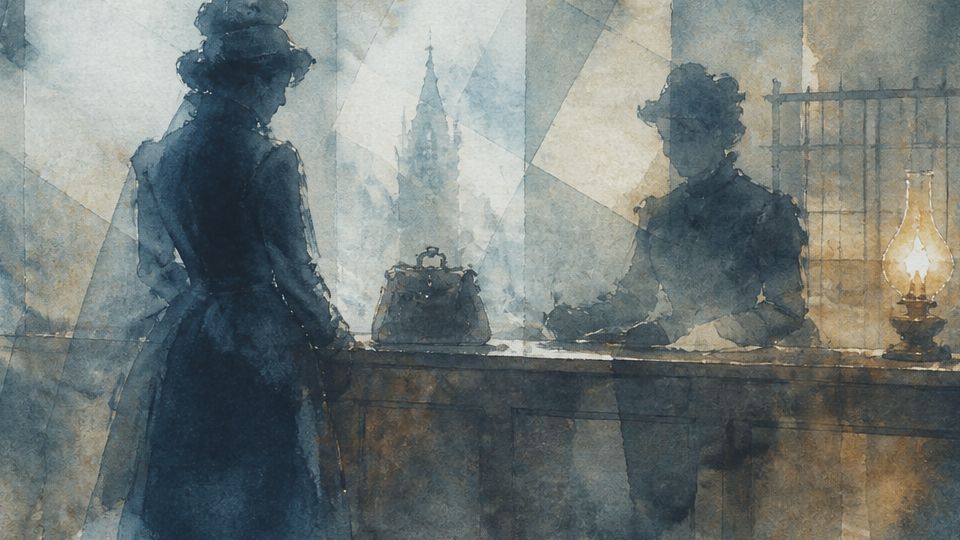
The papers did not treat a woman banker kindly. They sniffed, they tutted, they loved the theatre of it. When the music stopped the bank's books showed gaps. The prosecutors called it obtaining money by false pretenses. The headline writers called it hypocrisy. Jane or Joan on the stoop or the bodega who had tucked away a few dollars to send a child to school wound up frightened and furious. People had to schlep into court, give statements, clutch passbooks, and watch a respectable face crumble.
Sarah Howe was convicted. She went to prison. Women who had banked with hope were paid back far less than they'd trusted would be theirs. The whole affair felt like an etiquette lesson gone sour. You wanted to believe her. Deadass, some did. No doubt others smelled the set-up from the start. Either way the law did its thing and the city learned a hard truth about sparkle and rhetoric.
I remember, years ago, chatting with an elderly Boston cousin who used to say the whole business taught her generation to read a ledger before they folded a cheque. Gotchu, she would say, if you thought decor made a bank honest. Book it: charm is not a balance sheet. And that, my dears, is the very small sermon from a very public mess.