
Terriss and the Stage Door Stabber
Category: Murder & Misadventure 16th July 2026
December 16 1897 delivered a scene that left London not applauding but gawping. William Terriss, a star of the Adelphi and much admired for his theatrical bravura, was stabbed to death at the stage door. The man accused was Richard Prince, an actor of obscure fortunes who had carried grievances like wet coats for a long time and then chose the wrong night to air them.
The incident was a theatre-world catastrophe with the grim efficiency of a badly timed curtain fall. Terriss had been returning from a night at the theatre when an assailant attacked him in a narrow back alley. The wound was concentrated and fatal. The papers, which had smelled blood with a delicious enthusiasm, turned the whole affair into a moral farce. Crowds gathered. Gossip multiplied. The precise mess of careers and grudges that led to the moment read like an overworked melodrama.
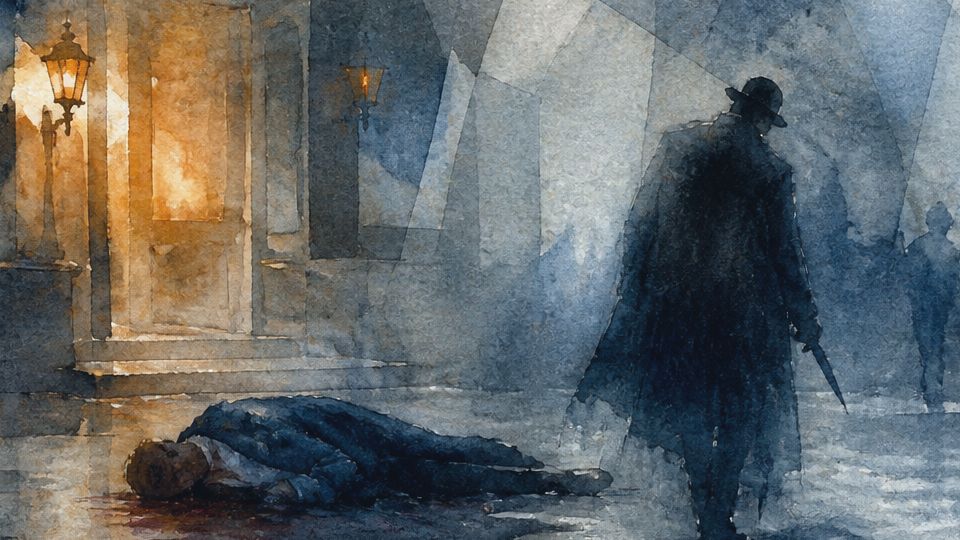
Prince arrived in the story as a man who had been involved in small roles and dubious employments. He believed that Terriss and others had thwarted his prospects. Whether those notions were truth or codswallop mattered less to him than the conviction itself. He carried a knife. He used it. Afterwards he was detained and subjected to the legal machinery, which is always rather keen on paperwork and explanations even when people have clearly done dreadful things.
The case explained something about theatrical life in late Victorian London. Fame produced admirers and enemies in uneven measure. Managers made choices that left hopefuls in a bind. The public loved drama until drama produced actual corpses. The courts and the press performed their roles with a mix of solemnity and appetite. Some commentators called the killing ghastly. Others found in it a preposterous moral lesson about vanity.
Reading the contemporary accounts one feels both oddly educated and only marginally comforted. The story ends with an arrest a trial and a city that had to recompose itself as if a comedy had briefly forgotten its script. I remember, from an old touring week when things went awry, how quickly a troup can turn from repartee to freeze. There is an ugliness here that is utterly theatrical and terribly human.