
Peter Lalor and the Terracotta Revolt (Almost)
Category: Mob Fury 25th July 2026
Onlookers who imagine Victorian politics as genteel dinners have clearly never seen a mob take to timber and gravel with the efficiency of a dinner party burning the curtains. In December 1854 a storm of grievance, gold licences and local pique in Ballarat produced a defensive ring of paling boards and a crude stockade that men and women treated with the zeal usually reserved for pudding at a particularly good dinner.
The spark was a tax. The grievance was the licence fee. The players were diggers whose patience had been worn thinner than the paper on a damp ledger. They gathered behind the stockade and chose a young Irishman called Peter Lalor as a leader. He had a moustache that could have argued its own case and an arm that would shortly provide him with memorable municipal credentials when it was shattered during the assault.
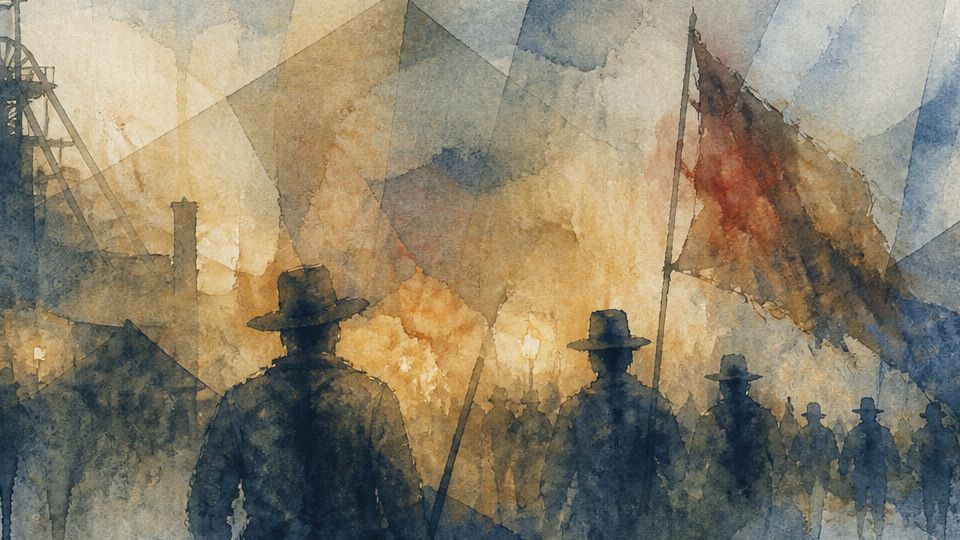
On a brisk morning the authorities sent troops to dismantle the barricade. The clash endured minutes of frantic noise and a ghastly effectiveness that left scores dead and wounded. Around twenty miners and a handful of soldiers lost their lives. Lalor himself survived and was spirited away, his injury becoming theatre for later politics. The trials that followed were extraordinary in their inability to find a single conspirator whom a jury liked enough to condemn.
The aftermath read like awkward civil repair. The government made concessions, the licence system was reformed and many of those who had taken to arms found themselves electable men when the colony required order and a face that looked suitably dashing in reports. If heroism can be awkward, this certainly was. If revenge can be bureaucratised, this incident achieved it with atrocious efficiency.
I once saw a small domestic disagreement escalate into something that resembled a public inquiry, and here the scale was larger and more deliciously theatrical. The Eureka episode left a pile of regrets, a handful of reforms and a curious civic pride that would later demand fanfare and a chorus of bravissimo for an act that had begun in grumbling and ended in a thin, colonial kind of triumph. Oh gosh. Oh bugger. Bravo.