
Why Neal Dow's Temperance Parade Turned Ugly
Category: Mob Fury 14th July 2026
Portland in 1855 had the look of a respectable little town that kept its hats on and its morals in tidy rows. Into this picture strode Neal Dow, a man with a mission so earnest it made committee meetings feel like fireworks. He had championed the Maine Law to ban the sale of strong drink. The law passed and he became the comfortable hero of temperance societies. He also became, fairly quickly, the focus of a great deal of civic resentment.
The rum riot began when agents acting for Dow seized a quantity of spirits from a local warehouse. Rumour did what rumour always does. It multiplied. Some said the mayor had kept a private barrel. Others said the seizure was theatre and the real merchandise had an easier route. A crowd gathered. They wanted to see the barrels. They wanted answers. They wanted their Saturday. Things escalated.
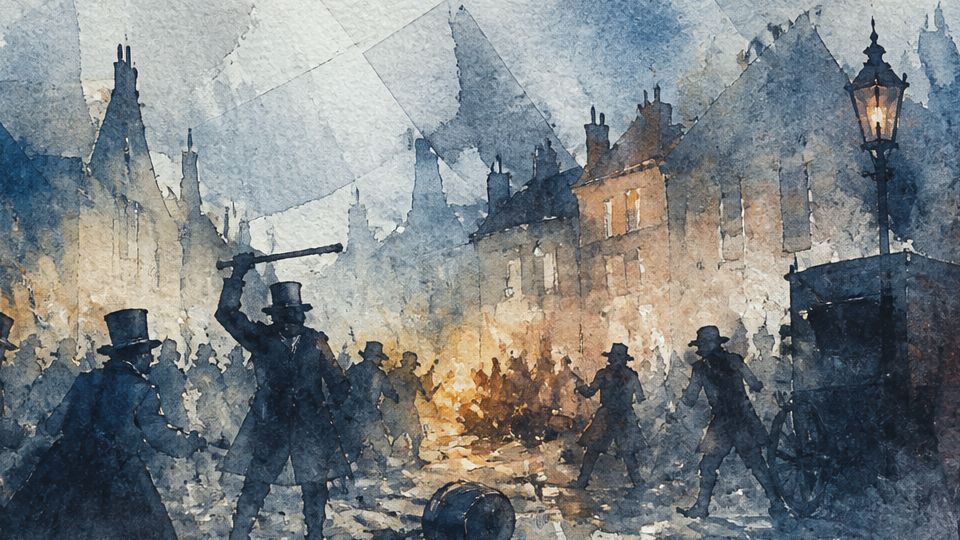
Dow called in the militia. The sight of uniformed men in a small port town has the effect of making people oddly theatrical and somewhat furious. Shots were fired. A man died. Several were wounded. For those who enjoy tidy moralities, this was appalling. For those who enjoy complication, it was deliciously awkward.
Afterwards there were inquiries and an attempt to hold the mayor to account. He faced legal attention and public scrutiny. He was acquitted. His reputation, however, suffered in a way that papers and pamphlets loved. The affair proved that law can be enforced with zeal, and that zeal can be a terrible social lubricant for chaos. It also proved that parades of virtue, when policed, can become parades of blood.
I have, in yonks gone by, encountered bureaucracies that made this look like a picnic. Here, the combination of moral rectitude, a suspicious barrel, and a town with its temper fraying created a scene both absurd and extraordinary. The moral for old chaps who like order is inconvenient. If one insists on policing other people's pleasures, one must be ready for the public to police one back. Oh bugger, indeed. The rum riot sits as a small, atrocious, and rather instructive footnote in the long, complicated ledger of Victorian virtue.