
That Courthouse Full of Men and Bad Decisions
Category: Mob Fury 14th July 2026
Guess the South could throw a tantrum and make it look like an army. April 13 1873, Colfax Louisiana, and a mixed crowd of Black freedmen had barricaded themselves inside the parish courthouse because an election had gone sour. They were there to protect the vote. Honest work. Real courage. Word got out that a white mob would come for the building. I peep the scene and I see fear turning into a plan to fight back.
Christopher C Nash led the white force that rolled up. He was a farmer turned leader of a paramilitary called the White League. They were pushing to take control of local government after a disputed election. They marched in with weapons and manners left somewhere else. What followed was ugly. The courthouse fell. Dozens of Black men died. Estimates vary. Historians place the toll at roughly sixty with some counts higher. It was slaughter disguised as politics. Real talk, it was worse.
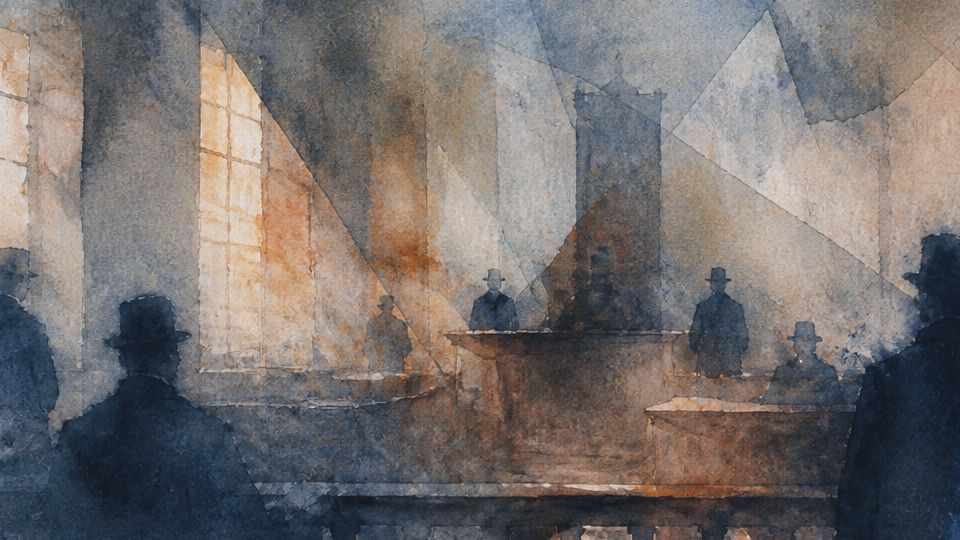
The newspapers in the North howled. The federal government tried to answer with prosecutions under the Enforcement Acts. For a second the law looked like it might hold. Then the United States Supreme Court handed down United States v Cruikshank and the whole thing went sideways. That decision gutted federal power to protect civil rights and left local authorities with hands tied. The men who had been slaughtered got no justice in the way a city kid expects an honest cop to do the job. My bad if that sounds bitter. It is.
Colfax matters because it showed how a mob could be dressed up like politics and bewitch the courts into looking the other way. Christopher C Nash walked away into a wider world that kept its head high while bodies lay down. I once covered stories where crowds turned on a man and the press treated it like theatre. This was theatre with a permanent cast.
People in Gotham should peep this. When politics hands weapons to anger, somewhere someone pays. If you ever sit with local history you can taste the grit. Ya heard.