
How a Rogue Photographer Sold People Their Dead
Category: Seance Swindles 21st June 2026
Boston had an odd mood in the late 1860s, a blend of mourning, curiosity and a new chemical called collodion that made photographs unnervingly lively. In that climate William H. Mumler arrived, a man with a camera, a steady hand and a talent for producing faint faces beside living sitters. The results were marvellous to the bereaved. They were a scandal to anyone with taste for reason.
Mumler billed himself as an instrument for reunion. Mothers came clutching shawls. Widowers came with hollow eyes. Among his patrons was Mary Todd Lincoln, who sought consolation after a very public grief. The photographs, showing translucent companions hovering near chairs and shoulders, turned clients into believers and Mumler into a money spinner.
Rival photographers and sceptical journalists grew increasingly uneasy. They pointed out, quite plainly, that faint images could be added through double exposure and trick printing. A demonstration by peers showed how easy it was to contrive a visage. The demonstrations were convincing. The grief, meanwhile, remained genuine.
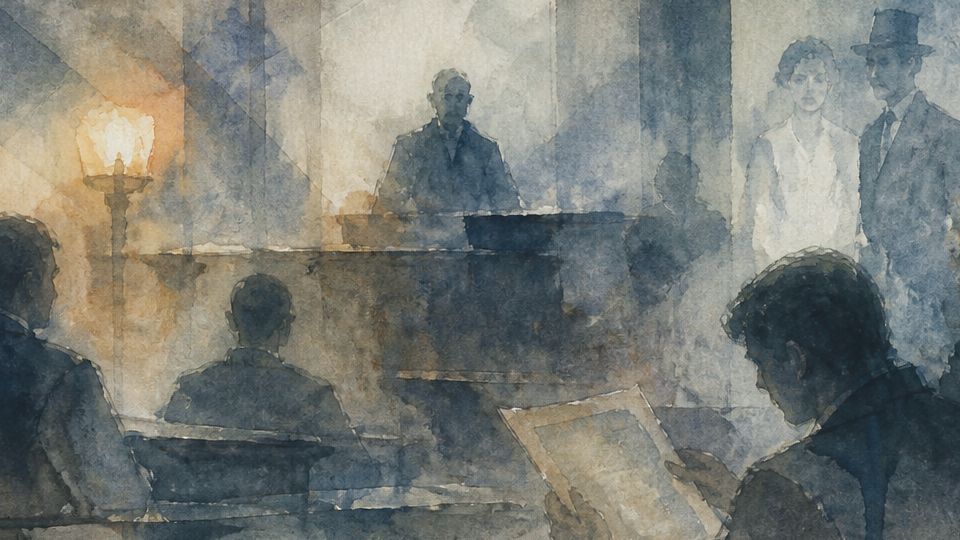
In 1869 Mumler faced trial accused of obtaining money under false pretences. The courtroom became a theatre where mourning met meticulous cross examination. Spectators murmured. The press supped greedily on every twist. Mumler defended himself with the precise dignity of a man who had met more daguerreotypes than magistrates. He was acquitted. The verdict left many people furious and others oddly relieved.
The acquittal did not restore trust. Mumler kept working, moved his practice, and then drifted into quieter rooms and fewer commissions. Public taste, or perhaps taste for scandal, moved on. He died some years later with his reputation in tatters and his craft reduced to an oddity in the history of credulity.
Looking back, the case reads like a ledger of human weaknesses. Grief can make one credulous. Showmanship can masquerade as consolation. The clever tricks were technical and not magical. The moral confusion was entirely human. Old chap, if you ever feel a photograph might be whispering, take someone with a sceptical eye. Oh bugger, bring two.