
They Burned Her For Being A Fairy
Category: Murder & Misadventure 21st July 2026
Bridget Cleary was lively, handy with a needle, and liked a cuppa when the weather turned parky. On a March night in 1895 she was seized by something worse than a cold. Her husband Michael and a circle of neighbours and relatives decided she had been nicked by fairies and replaced by a changeling. They set about retrieving the real woman in a fashion that would make a magistrate gape.
The idea was medieval. The execution was brutal. They tied her down, beat her, and tried to force the supposed fairy out. They burned her with matches. They doused her with burning fluid. The injuries were catastrophic. She died soon after. The medical verdict was blunt. The death certificate named violence and burns.
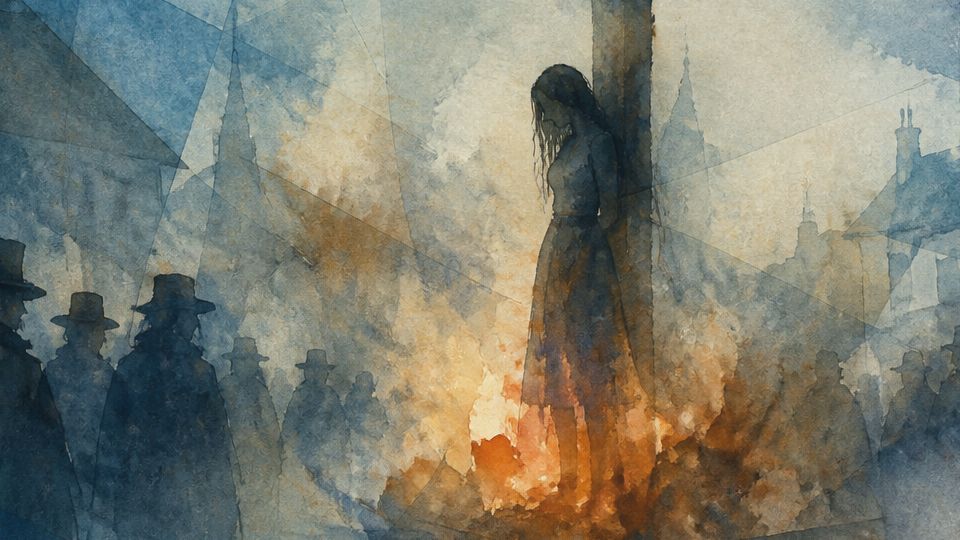
Eyup, the neighbours insisted they were doing the decent thing. The neighbours were, in truth, practising an old belief with all the empathy of a barmpot who has read half a book of folk tales. Word spread to the papers in Dublin and London. The Crown could not ignore it. Michael and several others were arrested and brought to court. They ended up found guilty for their parts in causing Bridget's death.
The trial riled opinions. Some people saw it as superstition run wild. Others saw poverty, stale traditions and a household that had lost its fettle. The press wagged jaws about Ireland and its customs. The judges had to weigh intent, the state of mind of people who genuinely thought they were saving a life, and a body that said reight plainly what had happened.
Reading the old reports, you feel like you are staring at a parable where sense got a kicking. There is room for pity. There is room for anger. There is also the odd absurdity, like the thought of grown men deciding a grown woman had been swapped while a bairn slept in the next room. I have seen stranger things. Once, years ago, I watched a mechanic try to fix a kettle with a hammer and you could see the same mix of conviction and cack handedness.
The Cleary case is ugly, memorable and very human. It remains a raw reminder that fear and folklore can kill when men reach for old answers instead of a cuppa and a calm word.