
Michael Barrett and the Clerkenwell Blast
Category: Mob Fury 4th July 2026
On December 13 1867 a crude charge of gunpowder blew a gap in the wall of the Middlesex House of Detention and landed east London in a very ugly mood. The explosion was meant to spring a prisoner. Instead it smashed windows, killed and wounded bystanders, and left a street smelling of smoke and fear. The architects of the plot were Fenians, the police chased shadows, and a city that liked to think itself civil found its temper reight out of control.
People ran through the ginnels and courtyards. Men who had been gentle shopkeepers went instantly like barmpots, hissing their anger, hunting owt for someone to blame. Mothers clutched bairns and lurched between grief and fury. Newspapers printed headlines that poured oil on the embers. Streets filled with a sullen, gorged crowd who wanted brass paid back in terror and retribution.
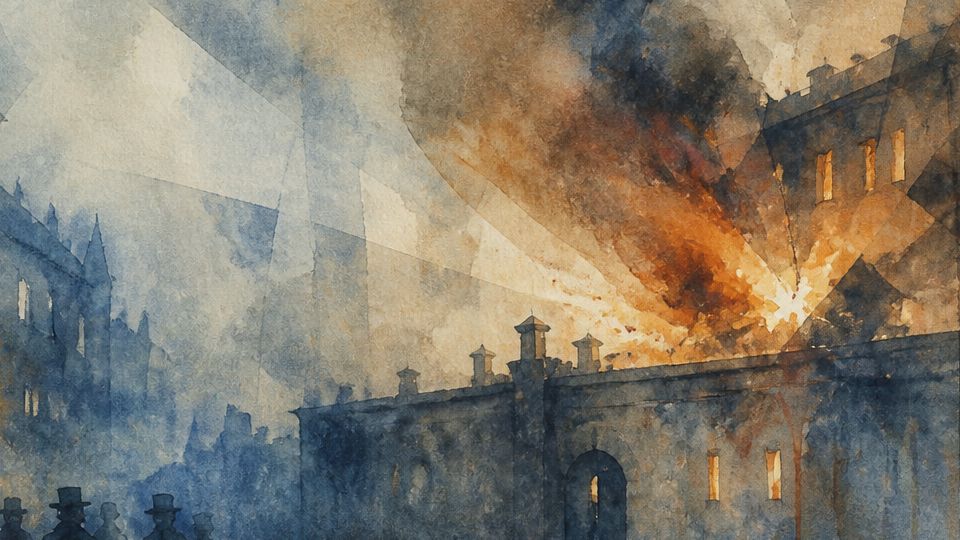
Fist fights turned into rougher work. Homes of Irish workers were pelted. Men who looked foreign got shoved, beaten and at times hauled before magistrates who were forced to deal with raw, public rage. Someone tried to gi'or the worst of it. It did not help. The riotous response became another crime scene, its own little sequence of arse over tit violence that swallowed up any sense of reason.
When the law finally clipped a lead, a man called Michael Barrett was tried and convicted for his part in the explosion. He was hanged in May 1868, the last man to be publicly executed in England. People went home thinking justice had been done. Some went home feeling jammy. Others left town with their faces bruised and their nerves shredded.
The Clerkenwell blast is a lesson about quick tempers and worse quick decisions. A handful of misjudged pounds of powder persuaded a metropolis that rough justice was acceptable, and for a few days London turned ugly. The street-cleaners had a proper fettle to do, and the city smelled acky for weeks after.