
McGlory's Armory: Bowery's chaotic card room
Category: Gambling Hells 2nd August 2026
Night in the Bowery was its own economy and William McGlory was one of the messy CEOs who ran it. He kept a saloon that the papers called McGlory's Armory and by the 1870s and 1880s the place had the sort of reputation that gets reporters amped and magistrates reaching for warrants.
People turned up in their worst decisions. Dealers with steady hands. Men with pockets full of guap. Ladies who looked snatched and left looking complicated. The cops, when they went in, found gambling paraphernalia, tables set for faro and other banked games, and pockets with cash enough to make a ledger blush. The raids read like an early tabloid dream. Big yikes energy. Bruh, the court transcripts had witnesses who were all drama and very little discretion.
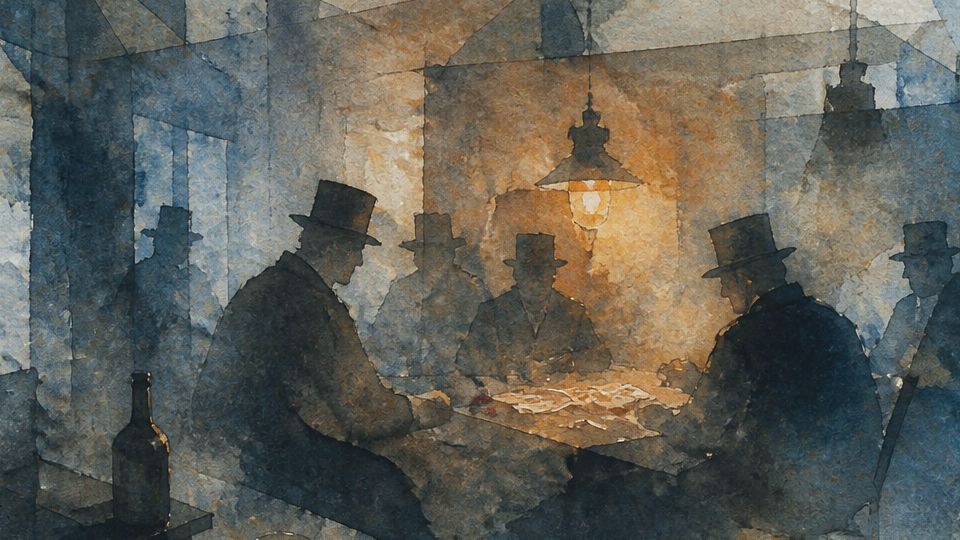
McGlory himself had that public vibe of someone who thought notoriety was a badge you could wear on Sundays. He was arrested repeatedly for keeping a disorderly house and for running gambling operations. In court he tried a variety of excuses that felt extra and at times straight up delulu. No cap, his defenders sometimes sounded like they were playing poker with the facts. Journalists loved to narrate every twist and the man kept turning up in ink like he had free PR.
What lands different is how this case shows the era's strange moral judo. Gambling dens were painted as criminal hells but also as social hubs where workmen, lost boys, and sharper types mixed. Some saw McGlory as a villain. Others treated him like the person who knew where the party was. IYKYK about those neighborhoods. The law tried to regulate the chaos. The raids were supposed to bring order and sometimes they brought only louder gossip.
Reading about McGlory makes me shook and also weirdly entertained. It's sending me. The man kept getting arrested, released, and then resuming business. It was a loop. In the end his story is a mirror of a city that loved vice, needed coin, and had officials who preferred theatre to solutions. Bet he walked away thinking he had done nothing wrong. Periodt.