
Mary Pearcey and the Sick Little House
Category: Curious Crimes 4th August 2026
Proper grim, this one. Mary Pearcey was a London woman who in 1890 ended up at the centre of one of those awful little stories that newspapers love. A visitor came to her lodgings. The visitor and a child were found dead. Pearcey was arrested, tried at the Old Bailey and convicted of murder. She was hanged later that year at Newgate. The papers made it feel like a pantomime of horror and everyone was a bit mardy about it.
The neat thing about this case is how domestic it was. It did not have grand conspiracies. No castles, no secret societies. Just a shabby front room, some neighbours who'd seen owt odd, and a few threads of jealous talk. Folks in the street whispered about affairs and money. People in the public gallery leaned in like they were watching a telly drama, dead interested and proper aghast at the smallness of it all.
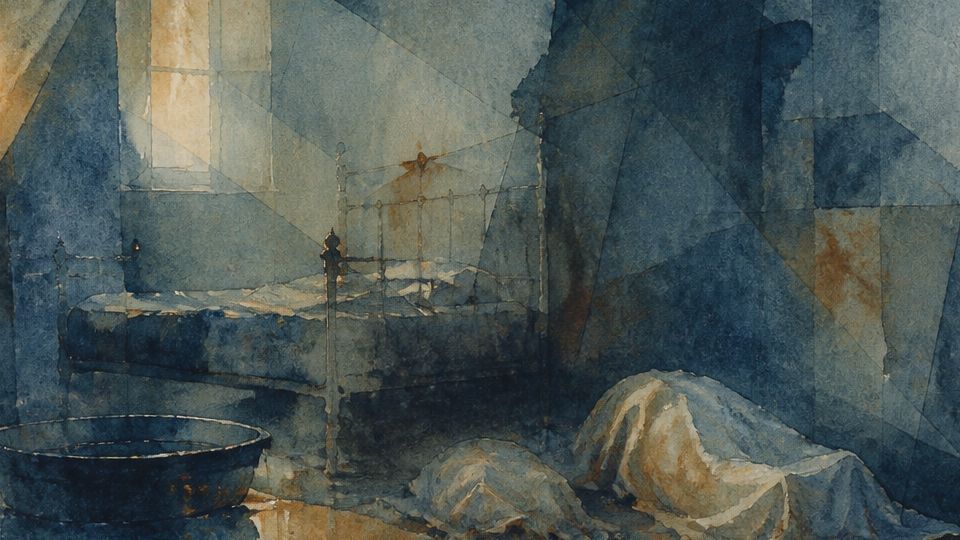
Police work then was a different kettle. The dibble scraped around the scene, gathered scraps of evidence, and relied on witnesses who sometimes remembered things a bit daft. The courtroom was full of people having a go at making sense. A lawyer did a big bit of theatre. A doctor made cold observations. The jury listened and nodded like they were agreeing on a pie recipe.
What sticks with me is the ridiculousness of how quickly gossip turns into verdict. Townsfolk traded versions like footie scores. One minute the accused is a neighbour. Next minute they are a monster. The press loved it. Editors slapped headlines on every turn. I remember once, years ago, when I was touring and stayed in a grotty B&B, hearing two blokes at breakfast talk the case over like it was a film they'd both seen twice. Buzzin' to swap the worst bits, like it was a game.
You can feel sympathy and anger at the same time. It is all a bit of a mess. People die, people judge, and life moves on. Our kid would say the whole affair shows how small lives can make big trouble. Give over to the headlines, and you miss the poor truth under it all.