
Mary Ann Price and the Parlour of Illicit Trinkets
Category: Fences Parlour 25th June 2026
Londoners of a more tolerant age might have forgiven a little eccentricity in a parlour. They did not forgive cashmere gone missing. Mrs Price ran a genteel sitting room where neighbours called for tea and, it transpired, where stolen trinkets hid under the napkin between the scones and the sofa cushions.
She was arrested for receiving stolen jewellery after a cluster of aggrieved householders identified their brooches and watch chains among her wares. The case hinged on the awkward business of provenance. Mrs Price had perfected the performance of a genteel vendor. She wore a dashing bonnet, offered repartee that made inspectors blink, and kept a ledger that delighted the eye but betrayed the hand when cross-checked with victims' inventories.
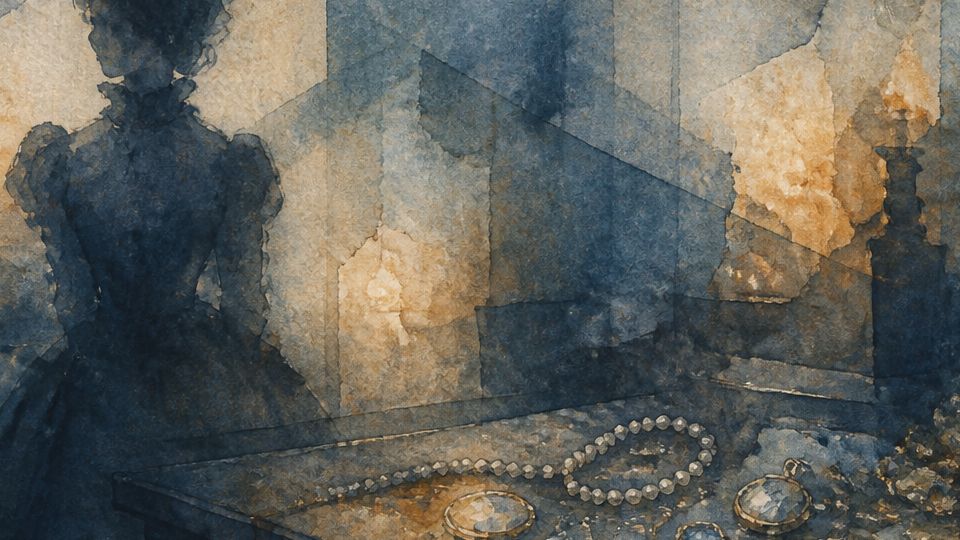
The court papers describe a parlour transformed into a miniature emporium. Visitors came for gossip and left with a parcel wrapped in brown paper. The pawnbrokers in the neighbourhood frowned and the victims frowned more. Evidence included a sequence of receipts, a watch with initials that did not belong to her, and a witness who remembered a late-night visitor with mud on his boots and an appetite for purple glass.
Mrs Price insisted she was a mere middlewoman, a conduit between distressed sellers and respectable buyers. Her defence had the charm of a drawing room anecdote. The magistrates, who had read every sort of tale since tea began to be fashionable, were not impressed. The judge observed that civility was no cloak for commerce in stolen goods, and that a lavatory might be tidy but it cannot cleanse dishonesty.
There was a touch of the ridiculous. The ledger contained entries such as "fob watch" next to sums that suggested either terrible bookkeeping or a mysterious generosity to friends called "Misses Nobody." The prosecution called this plain evidence. The jury called it evidence too and returned a verdict that left Mrs Price with a sentence and the parish with the moral satisfaction of having tidied a messy parlour.
What lingers is the image of polite society folded into petty crime, of pastries and pilfering sharing the same biscuit tin. It is deliciously embarrassing for all involved. The lesson, if you must have one, is plain. If you trade in trinkets in a drawing room, keep better receipts, or at the very least practise being less charming to suspicious strangers. Cheerio.