
Louisa Collins and the Darlinghurst Arsenic Case
Category: Poisoners Shelf 21st June 2026
Listen, this one smells like old bread and bad gossip. Louisa Collins, a working woman in New South Wales during Queen Victoria's reign, found herself at the center of a case that felt both provincial and theatrical. Folks accused her of slipping arsenic into the food of two husbands and a little child. The evidence was messy. So was the courtroom.
Trials drifted along like bad weather. There were several juries, hung votes, petitions arriving at the governor's desk, and plenty of press ready to grill anybody who looked at the case sideways. The public schvitzed over the idea of a woman on trial for poisoning. People who would usually schlep to the bodega for facts suddenly cared. The final verdict in 1889 saw Louisa convicted and executed at Darlinghurst Gaol. She became the last woman legally hanged in that colony, which made the whole thing a grimy bit of local history that refused to go away.
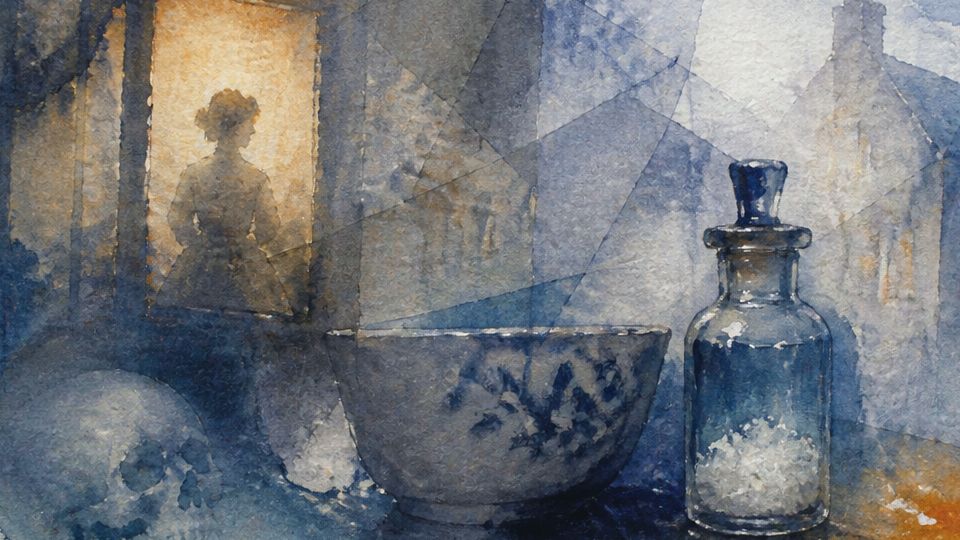
What made this one stick in the throat of polite conversation was simple. For a bunch of ordinary Sydney neighbors the idea that arsenic could be in a lump of bread, a teaspoon of gravy or a pudding seemed plain terrifying. High key panic. Low key suspicion spread faster than coffee down a stoop. Some witnesses swore that flour tasted odd. Others swore on things that were less useful than court testimony. The press loved the melodrama. I bet a copy hit a stall near the hero shop faster than someone could book it home.
Years ago, when I was covering smaller scandals, a friend handed me a clipping and said the Collins case read like a bad radio serial. Facts were tangled with rumor. The petitions for mercy made people ask who was getting the raw deal. Good looks were offered to the governor to stay the sentence and sympathy got coined into headlines. In the end the law ran its course. The story stuck in the public memory because it mixed ordinary life and a poison so ordinary people could imagine handling it every day.