
The Professor Who Hid a Body in His Lab and Acted Like Lunch Was Next
Category: Curious Crimes 25th July 2026
In 1849 a tidy row of respectable faces in Boston met a mess that smelled of more than bad tobacco. George Parkman, a wealthy physician, went out for a walk and never came home. The city turned detective while gossip vendors hawked opinions like baconeggandcheese at dawn. Folks talked. They always do.
John White Webster, a Harvard chemistry professor, had debts nobody in polite company wanted to name. He also had a private laboratory and a temper that could boil over. The tale that followed reads like somebody took a respectable curriculum vitae, folded it in half, and stuffed it into a furnace. When body parts and bone fragments surfaced in odd places, the trail pointed straight to his rooms. The dentist who recognized a jaw bone made the courtroom sit up so hard it almost lost its wig.
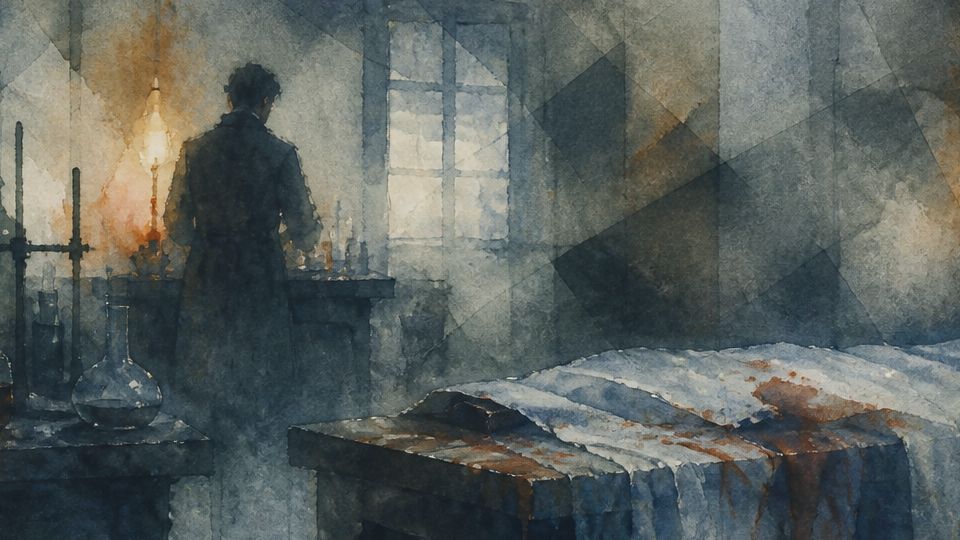
Webster tried small talk with investigators. He offered explanations that sounded like lecture notes gone wrong. He denied. He paced. He rearranged facts. Evidence mounted. The city smelled opportunity. Newspapers fed on the theatre and the public came hungry. The trial turned into a carnival where learned men were grilled on teeth and anatomy, and common people felt like they had a front-row seat to a private catastrophe.
In the end the judge and jury found Webster guilty. He was sentenced to hang in 1850. His execution was public and grim. People who had once invited him to salons came to see a man who had been a professor, now stripped of titles and dignity. It was a reminder that money, learning, and manners do not always keep your hands clean.
Years back, when I chased scandals around the way, I saw similar parades of civility fall apart. This one had detail enough to make a medical textbook blush and gossip enough to keep cabdrivers talking for a long time. It was mad, grimy, and stubbornly human. No doubt it left Boston asking who in their own neighborhood might be keeping a secret in plain sight, ya heard.