
how john shaw dug up trouble and tried to sell it
Category: Resurrectionist Crimes 6th August 2026
Notorious in a way that makes you tilt your head, John Shaw's case is small and oddly theatrical. He was a working-class man who got arrested in 1832 for exhuming bodies from a churchyard near central London and supplying them to a nearby anatomy school. The trade itself was vile and mundane at once. Shaw treated fresh graves like a market stall. Lowkey grim, highkey illegal.
The thing about Shaw was the timing. The Anatomy Act had just become the hot background drama and every medical student needed specimens. Surgeons wanted corpses for lessons and were usually careful about paperwork, but the demand made a grey market thrive. Shaw turned late-night digging into a side gig. He would lift a coffin lid, nick the body, and move it like a somber courier. The neighbours called it sus. The police called it criminal. The courts called it necessary theatre.
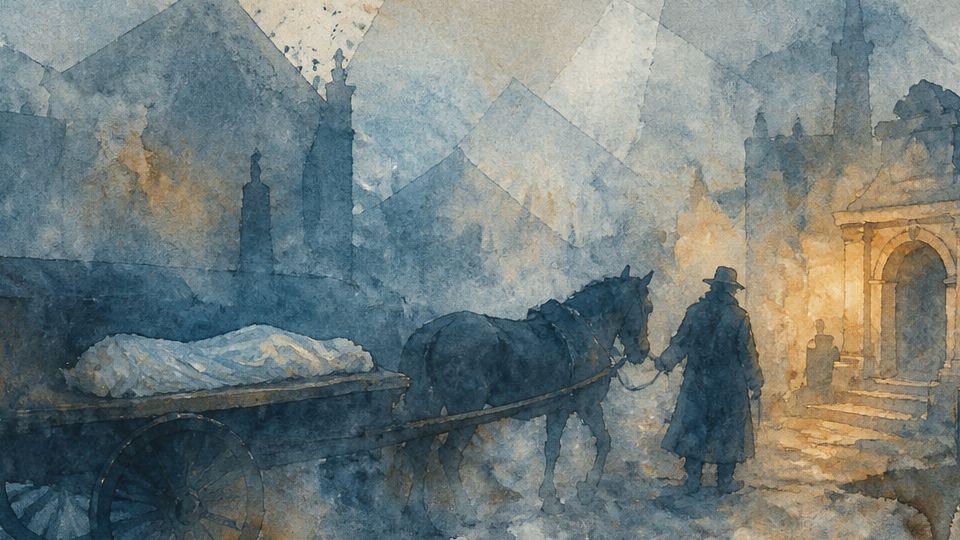
At trial the evidence was straightforward. Witnesses saw men prowling the churchyard, suspicious sacks moved under moonlight, and a surgeon identified cadaver parts that had been delivered. Shaw tried the classic basic excuse of poverty and necessity. It did not land. The judge was not vibing with sympathy. The law wanted a headline and a lesson. Shaw got convicted for robbery of the dead, a specific offence that felt insane to modern ears but made total legal sense then.
Reading the depositions, you get these absurd images that are almost cartoonish. Men whispering in gutters. Coffins clumsily wrestled aside. A medical student pretending ignorance while eyeing a fresh jawbone like it was bussin'. Sheesh. There is something tragically ordinary about people making money from grief. It's a savage little economy.
This case nudged public opinion and medical practice. It was one of the many petty scandals that pushed reformers to make legitimate avenues for anatomical study, so surgeons could stop wink-winking with grave robbers. Shaw himself vanished from the papers after serving sentence. Maybe he found another trade. Maybe he thought about the faces he had moved at night. Either way he left a weird little ripple: the city kept measuring decency in inches and sometimes found none. Bet the neighbours were relieved, periodt.