
John D. Lee and the Mountain Meadows Mess
Category: Mob Fury 2nd August 2026
Imagine a dusty meadow, a party of emigrants minding their biscuits, and then the sort of chaos that makes you wish you'd stayed in the carriage and ate a barm cake instead. In September 1857 the Fancher-Baker party rolled into Mountain Meadows in what's now Utah. They expected a quick passage. They got absolute scenes instead.
The short version is ugly. Locals who were part of the Mormon militia, wearing feathers to look like Paiute warriors, ambushed the emigrants. For days there was a stand-off. Then the militia offered safe conduct if the emigrants surrendered. They did. Then the militia and some Native auxiliaries turned on them and slaughter followed. Around 120 men, women and older children were killed. A small number of youngsters survived. It reads like a planning meeting gone very wrong and then worse.
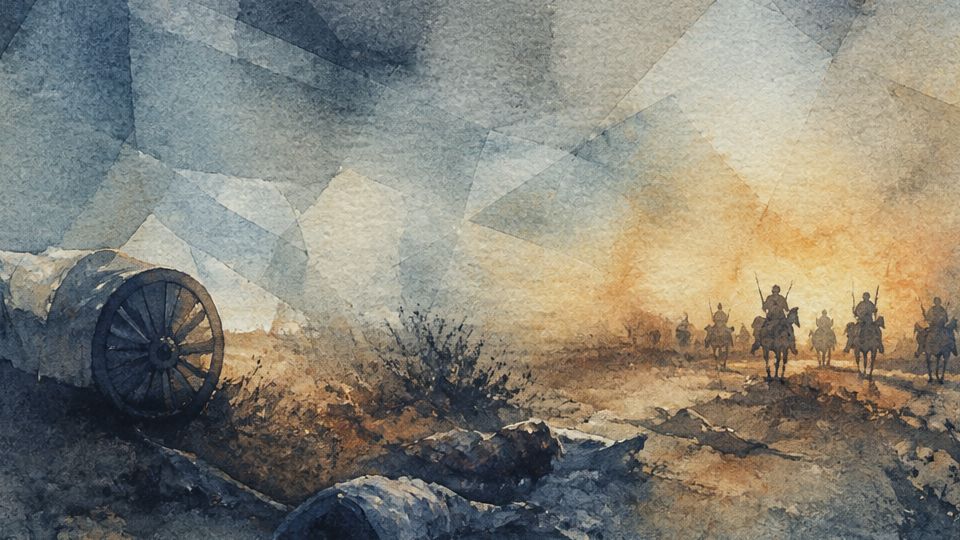
Fact is, the whole thing had the stink of snide politics and fear about it. The Mormons in the region were tense with the federal government. Rumours were flying. Someone had got a cob on and the sense of panic made decisions that were massive and grim. It was mingin' in every sense. People tried to explain it afterward and most of the explanations sounded like bobbins when you really look at the receipts.
John D. Lee was a local leader, an Indian agent, and he was the face the courts could grip. He was arrested, tried years later, and executed in 1877. For some folk that was closure. For others it was like giving your 'ead a wobble and thinking that one bloke could explain an entire ugly day. I remember when I used to mooch about old court reports and they make you feel gaggin' sometimes. You read the witness bits and you go yer wot?
There are few clean morals here. Folk hid, folk lied, folk tried to cadge safety and it failed. Some settlers took children in afterwards and others wrote letters like they were dealing with livestock. The records are fettled over by lawyers and historians forever. It's a grim little piece of history, maddening, and oddly human. Makes you want to shut yer cake 'ole and keep your Newtons to yourself on a long dusty road. Sorted? No. Worth remembering? Dead yes.