
John Bishop's Grimy Trade
Category: Resurrectionist Crimes 1st July 2026
Kid, when I first read this one I nearly choked on my regular coffee. In the early 1830s a bloke named John Bishop made himself a proper nuisance to decency by turning graves into inventory and people into product. He worked with Thomas Williams and a small gang that supplied anatomists with fresh bodies. They began by fouling the churches' peace, robbing shrouds from soft ground, and then they madly stepped up the operation until murder became the shortcut. What's good? The city woke up to a marketplace that smelled of money and cheddar and smelled worse on a wet morning.
Their methods were ugly and direct. Victims were strangled or otherwise silenced, then the bodies were delivered to surgeons who wanted specimens for study. Burial grounds around the way were their stockroom. The papers called them monsters and the public did a proper grill, which is fair. The Old Bailey took the case and handled it with all the spectacle a hungry press could buy. The trial showed a grubby, calculated hustle where human life was priced like broken furniture.
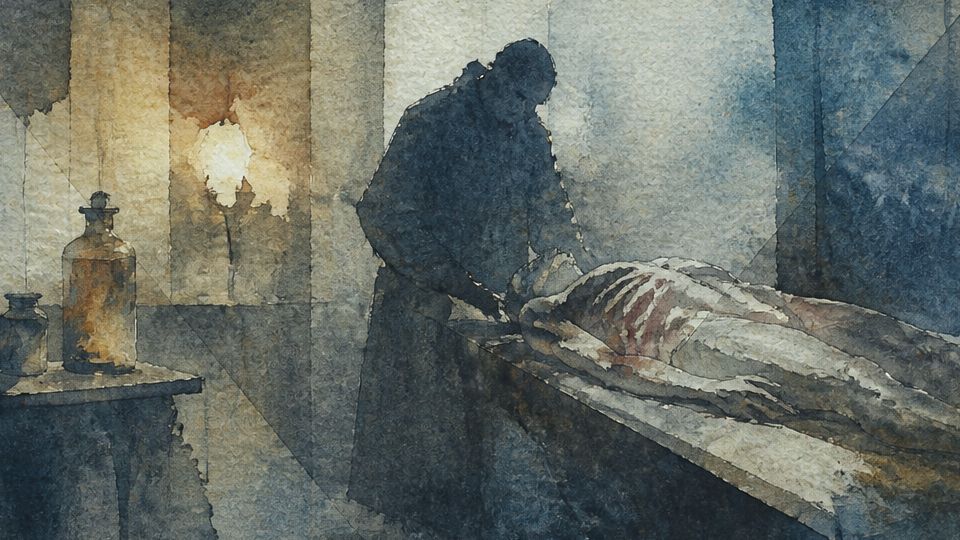
I sat with a copy of the trial reports and felt a schvitz rising. Folks who had been stealing bones for a while moved to murdering so their business would be beastin' with supply. Surgeons were left with awkward questions and the law was left trying to catch up. The accused, led by John Bishop, were convicted and sent to the gallows at Newgate, which closed the chapter in the cruellest way the law could manage.
This story bruises the old idea that Victorian propriety had to mean Victorian virtue. It was grimy all the way down. People trusted doctors and burial rites and then discovered that somewhere along the line a small gang treated corpses like coin. Years ago, when I was around the way doing the kind of reporting that makes you tough, I met enough lowlife hustles to know when a city is wildin'. This one was cold and shocking like a sudden brick wind across the Thames.
In the end the law snapped the trade shut. Bones went back to silence, the surgeons bought a seat at reform, and the papers got the headlines they lived for. Ya heard that? The story stuck because it smelled like betrayal and cheddar and because the public loves a proper moral roast. Mad, ugly, and unforgettable.