
Israel Lipski and the Lodging-House Panic
Category: Innocents Trade 20th July 2026
Londoners loved a clear story and an even clearer villain. In 1887 a Polish-Jewish lodger called Israel Lipski found himself shoved into that neat slot after a woman in his house died suddenly and the papers decided they had a murderer to point at. The evidence was thin, the gossip thick, and the public appetite for outrage positively reight.
The official line said poisoning. Witnesses offered fragments. Doctors argued over symptoms. The police circled, confident enough to make the press snarl. Headlines smelled of prejudice and brass more than facts. Reporters treated the episode like theatre rather than an inquiry. Folks who ought to have been fettle about the details instead fed the frenzy and passed judgement on a man because he looked different and kept odd hours.
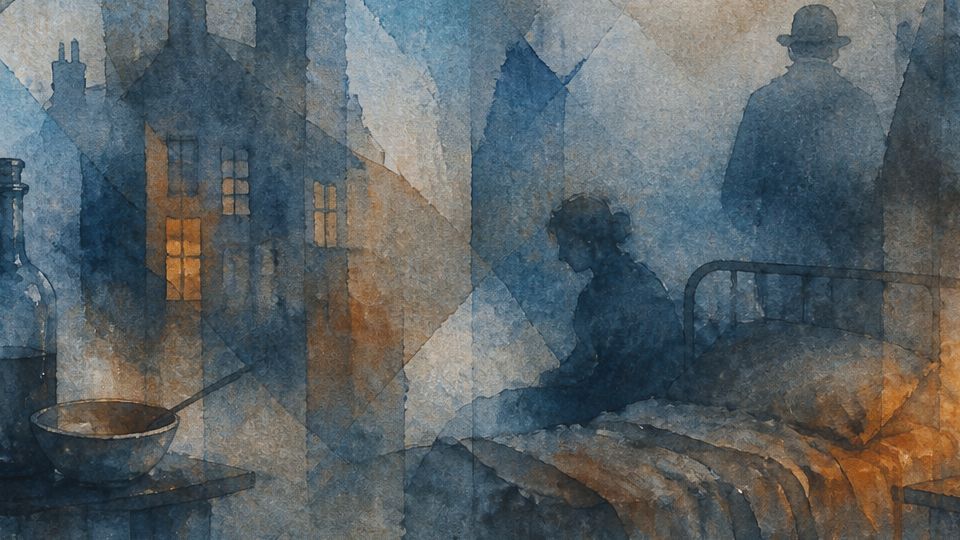
Throughout the trial the mood was ugly. Lipski was clumsy in the dock, cack-handed with his defences, which only made him look guiltier to people who already wanted an answer. The testimony leaned on character and circumstance. Scientific proof sat like a shy bairn in the corner. After conviction he was hanged and the city moved on like a lorry stuck in first gear and then suddenly shunted into reverse.
What mattered afterwards was the cloud of doubt. Doctors and campaigners queried the cause of death. Some said evidence had been read through a lens that made a Jewish lodger appear more suspicious than he really was. Others muttered that the police had tied up the case because it was easier to close the book than to gi'or another week of interviews. The whole affair made plenty gip in genteel clubs and left a handful of people feeling ruer for having believed the papers so quick.
There is a sort of small cruelty in this story. A public keen on tidy endings, a man who could not explain himself reight enough, and a system that preferred certainty to owt messy. Years on, the case still tastes of cold tea and poor thinking. It deserves a cuppa and a proper look, because justice served fast is sometimes just bad service dressed up with a ribbon.