
Franz Muller and the Night-Carriage Murder
Category: Iron Horse Heists 24th June 2026
Curiously genteel crime has its moments of grubby theatre and in 1864 one of those moments involved a banker called Thomas Briggs who boarded an early morning carriage on a London line and did not step off alive. The assailant took the man's money and watch and left a ghastly scene that the newspapers chewed over with marvellous appetite. Public outrage followed with the nasty efficiency of a hat-check system.
The man eventually arrested was Franz Muller, a foreign gentleman accused of both robbery and murder. His trial was conducted amid splendidly theatrical indignation and dreadful xenophobic commentary. Evidence placed him with stolen items and witnesses described violence in the carriage. The jury returned guilty and the sentence was death. People paid attention because the crime involved the new railway, which made the whole affair feel somehow modern and marvellously alarming.
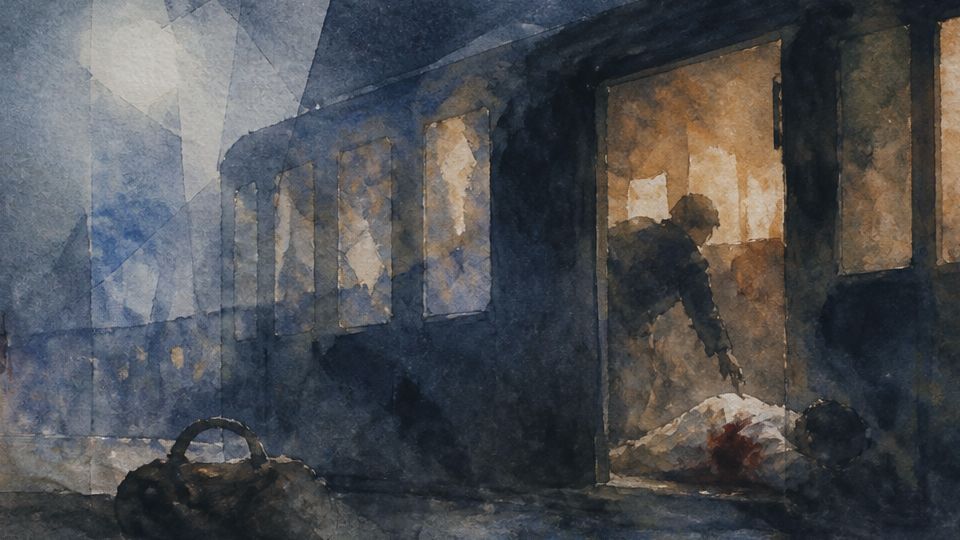
What the case left behind was fairly simple and fairly revealing. Railway travel, then growing fast, created novel opportunities for thieves who liked motion, darkness, and quick exits. Official inquiries struggled. Railway companies shuffled explanations as if they were attending a drawing room and found their protocol abysmal. Police procedures appeared creaky. The press exploited every mishap. The public preferred moral indignation served piping hot and ready.
The Muller affair became a kind of shorthand for civilisation's anxieties about speed and strangers. It made people lock pocket watches away and review their habits of solitude. It also fed sensational pamphlets and endless reporting that treated the courtroom as a theatre and the accused as a character in a melodrama. Old chap sensibilities were affronted and the whole nation had its appetite for repartee and scandal fed.
There remains a lesson, somewhat staggeringly simple. New technology invites new crimes. When those crimes are cruel they demand better guardianship and clearer laws. The case ended with the execution of Franz Muller and with an uneasy public feeling that the rails had given them convenience at an occasionally ghastly price. Cheerio to complacency, one supposes, and god forbid anyone should travel with too careless a hand in their pocket.