
A Stepchild, A Stream, and Excessive Ceremony
Category: Hearthside Cruelties 5th July 2026
Portsmouth had an air of respectable muddle about it in 1868, the kind of town that kept its scandals tidy under a handkerchief and offered sympathetic coughs at funerals. Into that genteel clutter wandered Frances Kidder, a woman whose name would be inked into a docket and then stamped with official gravity. She was accused and convicted of drowning her stepdaughter in a nearby stream. The case was domestic, intimate, and therefore wonderfully messy for public taste.
The evidence presented at trial came from neighbours, a sad assortment of household testimony and the usual parade of police who took the business as seriously as a drawing room summons. Witnesses spoke of quarrels over money, of crude management in a shared house, and of a child who went missing under circumstances that the jurors found terribly suspicious. The scene at court had the air of a badly rehearsed play. Lawyers swapped their repartee like gentlemen passing pudding after dinner. I have seen pompous people look more authentic than those witnesses.
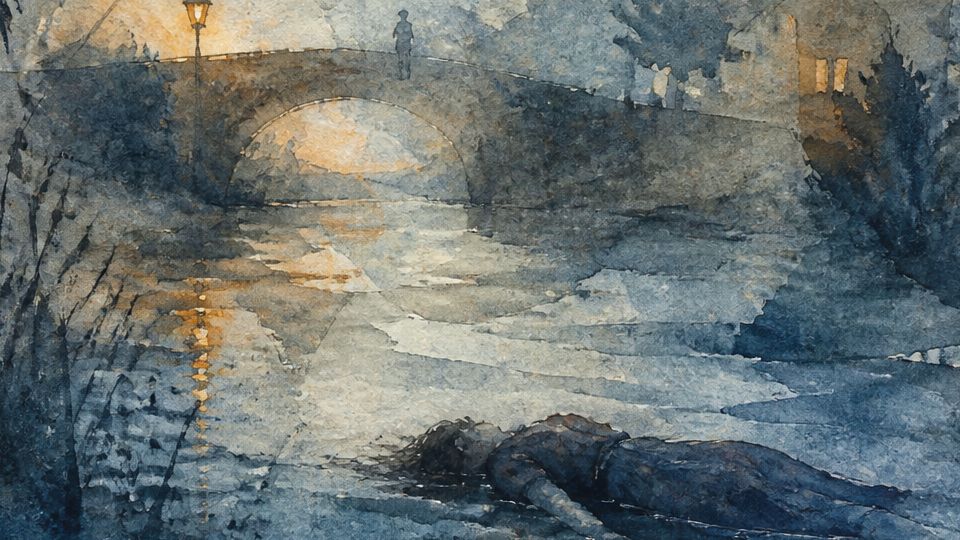
Readers tend to imagine Victorian trials as stern moral theatres. This one felt smaller and far more human. The jury looked like a committee that had been caught agreeing. The judge pronounced with dashing certainty. The verdict followed. The sentence was the old, public machinery of punishment. A crowd came. There was the awful ritual. People peered as if at some new kind of exhibition. In the sitting room of public opinion the newspapers made deliciously lurid copy about motives that might have been complex or might have been simple domestic despair.
The whole affair lodged in local memory as a cautionary tale and a bureaucratic embarrassment. It spoke of the terrible economy of ordinary lives where insurance money, household friction and an exhausted woman could conspire into catastrophe. The law did its work in the way the law often does when called to a family row. The story stays with you because misery served in a teacup is more disturbing than spectacle served on a stage. After yonks of reading dusty reports I still find the case absurd and unbearably human at the same time. Oh gosh, what a bind for everyone involved.