
Ferdinand Ward and the Jolly Ledger
Category: Gilded Frauds 13th July 2026
Imagine a drawing room where everyone pretends the cushions hide the awkward truth. Ferdinand Ward arrived in that room wearing charm, a tidy suit, and a very convincing ledger. He set up a brokerage that carried the honoured name of a retired American president and then persuaded wealthy people that the name meant safety. The paper looked spiffing. The talk was delicious. The house smelled of tea and optimism.
Ward's method followed an odd, theatrical logic. He acquired trust with theatrical confidence and then arranged transactions that showed profit on paper while real cash slunk away. He used fictitious securities and couriered in reports from imaginary firms. Investors received steady payments that came from fresh money supplied by new clients. It felt glorious for a while. That pattern resembled a trick you might applaud in a drawing room for its ingenuity and then quietly return the napkin to the linen drawer when you realise you have paid for the joke.
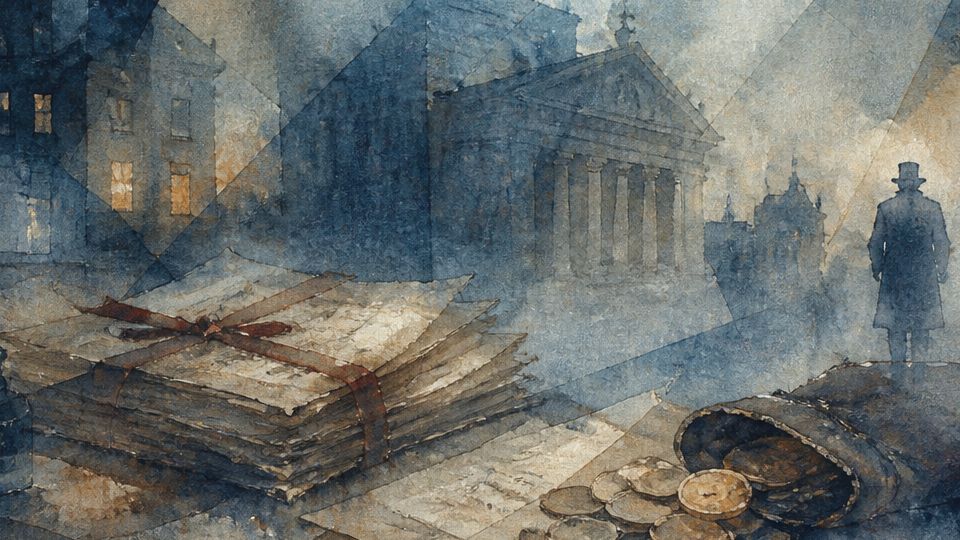
The result was stupendous in scale and abysmal in consequence. When the house of cards collapsed in 1884, creditors found empty shelves and a series of forged endorsements. Among the embarrassed was an ex-president whose name had been lent as a guarantee and whose family savings were battered. The scandal was at once theatrical and atrocious. Courtrooms filled. Men who had worn top hats and discussed repartee now shuffled papers and muttered oh bugger under breath.
Ward was convicted of fraud and imprisoned. The public enjoyed a delicious mixture of outrage and schadenfreude. The episode exposed how genteel surfaces can conceal terrible arithmetic. It showed that a sympathetic smile can paper over a balance sheet that insists on telling the truth. I have a friend who once lent a man a sofa and learnt the same lesson. One day the sofa disappeared and he kept the receipt in a drawer alongside a badly folded napkin. The two items made for very educational tea conversation.