
Oxford Fired At The Queen And Looked Proper Gormless
Category: Curious Crimes 5th July 2026
When Edward Oxford stepped onto Constitution Hill in June 1840 and fired two pistol shots at the Queen's carriage he achieved something the riot police of his era could only dream of. Chaos, disbelief, and a bloke who looked more like a nervous apprentice than a conspirator. People ran. A few did the sensible thing and offered a cuppa to calm the nerves. Me? I would have offered a biscuit and the business end of a boot. Champion response, that.
Oxford was nineteen. Young enough to be daft as a brush. He had practised in the mulberry bushes, which tells you everything about planning. He did not escape. Bystanders grabbed him. They did a proper job. One man stuffed a pistol under his coat and refused to gizzit back. The newspapers called it monstrous. The street called it summat else that would not pass polite company. The court called it something most uncomfortable to read.
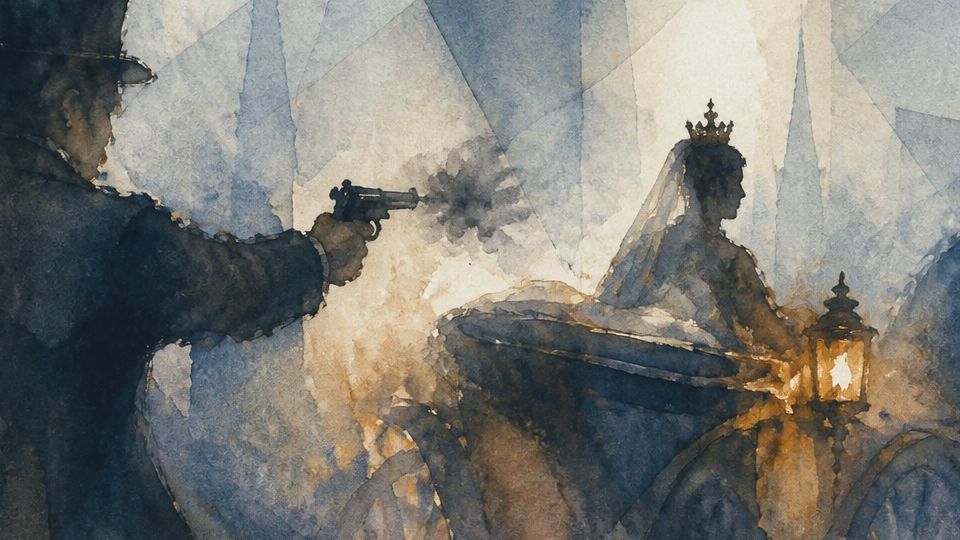
The trial made the law look like a dog trying to do a clever trick. The jury reached for insanity and the verdict was not guilty on that ground. That meant detention in asylums rather than the gallows. The whole thing felt odd. The nation wanted a villain to hang. It got a chapter in psychiatric history instead. Oxford became an awkward domestic item for the state to lug about. He was carted off and kept under supervision. Later he left for Australia. You could say he scarpered, though that sells him short.
There is a strangled humour in the detail. The shooter, the royal frightened, and the public furious that the security was, frankly, rubbish. Men muttered about better guards. Ministers muttered about better laws. The press went mad. A few neighbours called him a teacake and others called for a stricter hand. Nobody, expectedly, called for better manners at the carriage window.
Oxford's shot did something useful in its own grubby way. It forced people to think about how to protect a monarch who liked to be seen. It also left us with an image of a young man who wanted to be famous and instead ended up famous for being kept out of the way. The whole affair is both absurd and oddly serious. If tha ever wonder how a single daft act can tidy up protocols, read this one and then sling your hook back to your tea.