
When Whitechapel Lost Its Temper and Everyone Took Notes
Category: Brawls & Affrays 14th July 2026
One damp summer evening in 1881 the East End did what it occasionally does best. A crowd gathered, voices rose, glass shivered, and what started as street jeering became something far more dangerous and unforgettable. The trouble was rooted in sorrow overseas and suspicion at home. Jewish refugees fleeing violence on the Continent arrived in London and found rooms, work, and uneasy neighbours. Local papers performed with alarming enthusiasm. The headlines were hot, the copy was hotter, and a motley mob answered the invitation.
Shops were smashed in places such as Spitalfields and Whitechapel. Market stalls were driven back like startled hens. Police moved in and made several arrests. Magistrates typed out remonstrations. Ministers issued statements. Few of these remedies felt marvellous at the time, and a good many people felt, quite rightly, that the whole episode was utterly unnecessary. What the newspapers supplied in breathless detail the town supplied in brute fact.
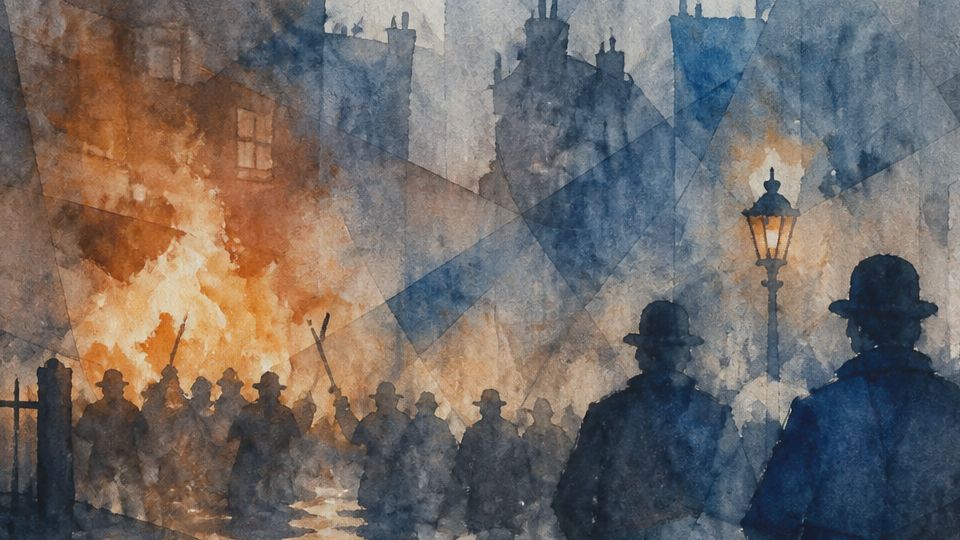
Officials behaved in the manner of people who have read the manual too often. Meetings were called and minutes were taken with admirable diligence. The Home Office wrote a short letter, which was copied into two newspapers and then quoted as if it were scripture. A few local philanthropists set up soup kitchens that worked very well. The community organised self-defence teams and mutual aid that were awfully practical. I have seen similar municipal choreography when a village fete runs out of trifle and everyone pretends order has been maintained.
There were lasting effects. Some storefronts never reopened. Families cleared out and others came. Debates in Parliament flicked like moths around lamps. People who fancied themselves wise pronounced codswallop with particular gusto. The spectacle revealed an ugly truth and also a useful one. When human beings are pushed, they will either be beastly or brave. A few were both. For those who like neat endings there is none. For those who like small satisfactions there were quiet acts of neighbourliness, modest and steady. Bravo to them, and cheerio to the rest.