
When Donnybrook Lost Its Licence And Its Temper
Category: Brawls & Affrays 7th August 2026
Dubliners kept a festival called Donnybrook since before most railway timetables felt respectable. It arrived as a market and decanted into a carnival of booths, music, and that peculiar human talent for converting a pleasant Saturday into a rowdy declaration of independence. By the mid nineteenth century the thing had acquired a habit of ending with broken heads, magistrates sighing, and petitions signed in ink that smelled faintly of ale.
The authorities drew up lists of offences. There were fights across stalls selling ribbons, fights inside tents that sold roast beef, and fights that started over precisely nothing except the agreeable fact that two men felt like proving themselves in public. Local papers chronicled the episodes as if they were theatrical reviews. Gentlemen of the bench called the behaviour beastly. Gentlemen of the crowd called it spiffing.
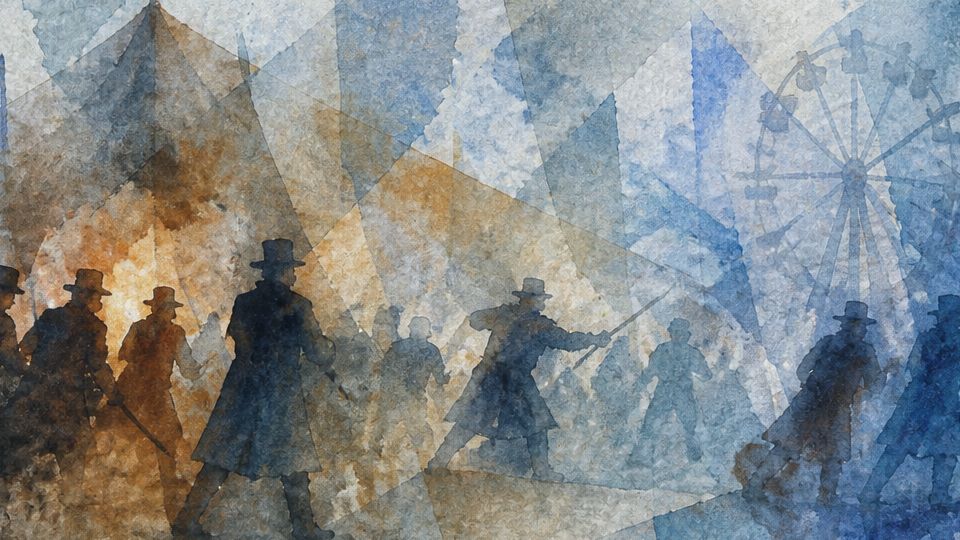
After an especially tiresome run of melees the municipal powers revoked the fair's licence in 1855. That bureaucratic act read like a genteel edict. It was utterly final. It was an official way of saying please go home and take your battering ram with you. The revocation followed petitions from residents, complaints about property damage, and the sort of awkward meetings where committee members pretended they had not seen the horseflesh in the fountain.
People who loved a scrap were aggrieved. They called the council a bore and other affectionate names. People who liked tidy pavements applauded. The middle ground, which is where most of us spend our lives, felt fairly torn. I remember once at a small county fete years ago watching two men argue over the last custard tart and thinking that some rituals migrate across class lines like migratory swans, only louder and stickier.
Donnybrook's suppression did not erase its legend. The word escaped Dublin and settled into English usage as shorthand for a proper brawl. It is quite glorious how language absorbs misbehaviour. The town had closed a festival that was at once splendid and a bind. The fair left a tidy vacancy and a messy reputation, and Dublin moved on, a little wiser about licences and slightly more modest about public entertainments. Bravo to paperwork, and oh bugger to the fellow who thought the best place to settle an argument was atop a pie stall.