
Dic Penderyn Hanged After Iron Ruckus
Category: Mob Fury 26th July 2026
Merthyr Tydfil in 1831 looked like a place that had been chewed and spat out. Ironworkers marched, furnaces kept growling, and the streets were acky with coal dust and sweat. Men with nowt in their pockets pushed for wages and respect. They smashed open a jail, they grabbed arms, and the whole town smelled like trouble about to happen.
Soldiers arrived to tidy things up and the tidy bit went arse over tit pretty quickly. A scuffle left a soldier stabbed. The authorities wanted a quick result. Richard Lewis, called Dic Penderyn around the yards, was picked up. The trial moved fast and cack-handed. Witnesses seemed to follow rumour more than fact. A jury handed down a guilty verdict and the sentence was hanging. The process looked to many like a stitched-up showpiece.
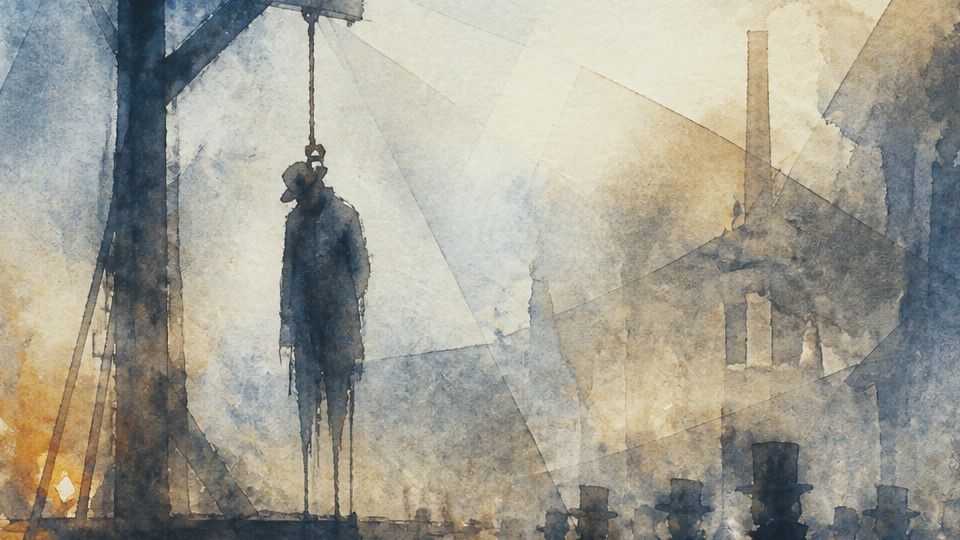
What fascinates is how ordinary the scene feels when you read the old reports. A lad who might have been back to his coit by dusk got pulled into something huge. Families, bairns, neighbours all gawped. Some testimony appeared daft as a brush. Other witness accounts were oddly jammy for the prosecution. A few people later said they had seen summat different. The whole business left folk calling the system gormless and angry.
There were punches thrown in the press. Men in the town brayed about injustice. A public row followed the execution and the name Penderyn stuck like oil on iron. Campaigners and poets kept the story alive. Later whispers and confessions made the case smell even more acky to posterity. Whether Dic was guilty or an unlucky man who took a clout meant for someone else, he became a warning and a martyr all at once.
I like that these scraps of history still snag the imagination. They make a coal town look stubborn and human. People still talk, lig on at the pub, and argue when history smells a bit gip. That, really, is why the story still matters. It is noisy, unfair, and oddly proper human.