
Catherine Wilson: How Care Turned Cold
Category: Poisoners Shelf 25th June 2026
Real confession energy here because historical gossip is my weird hobby, and this one is weird in the best grim way. Catherine Wilson worked as a nurse and carer in mid 19th century England. She looked like someone you could trust with a spoon and a blanket. That image did heavy lifting for her. It also helped her get very close to people who then died after taking the comforts she offered.
The courts found her guilty in 1862 for poisoning at least one patient. She was a neat, practical woman who handled medicine, dosages, and the quiet hour of a sickroom with confidence. What felt sus to others was how often money changed hands after her shifts. People left her legacies, small sums, keys to cottages, things that are cash in any century. Red flag vibes. The press loved the contradiction: a caregiver who collected guap from grieving families.
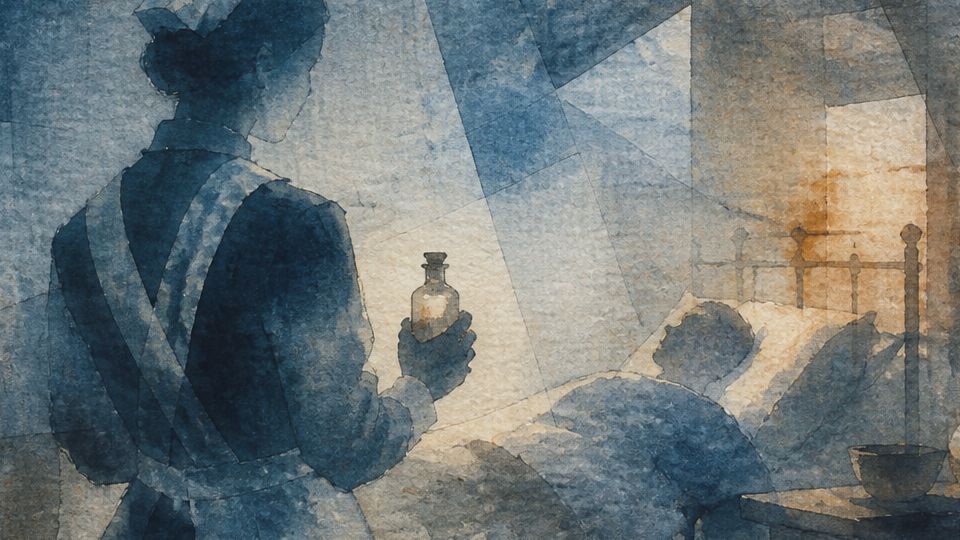
She was suspected of poisoning more than the single case that put her on trial. That piling suspicion, together with a few sharp witnesses, did the job. The headlines made her a cartoon of villainy and virtue coexisting, which is messy and oddly modern. Bet you'd spot the pattern fast on a modern feed. Back then the legal machine took longer to react and the theatre of the courtroom performed all the rage.
Here is the darkly funny bit that kept me smiling while writing this: the genteel domestic set that praised her bedside manner also gave her keys and money like she was the GOAT of neighborly help. It's giving absolute chaos. I'm dead thinking about how easily trust became an account transfer. She managed people's expectations with a smile and maybe a teaspoon. Sheesh.
People then and now tried to explain her. Some said cold calculation. Some said opportunism dressed as care. Some called her delulu for thinking she could cash out forever. TBH the outcome was ugly and simple. The law closed in and she was executed in 1862 at Newgate.
Reading her story feels like a glitch in the domestic ideal. It is a historical reminder that small, private kindnesses can be used to hide real danger. If you like true crime with weird social texture this case is sending me. Say less, learn the red flags, and keep your grandma's medicine cabinet slightly locked. Periodt.