
The Day the Motor Took a Life at Crystal Palace
Category: Murder & Misadventure 12th July 2026
Crystal Palace Park on 17 August 1896 looked like a postcard of confidence. The crowds were chuffed at this new contraption that promised freedom from horses, and the men with grease on their hands were proud as punch. Then a middle-aged woman called Bridget Driscoll stepped into the path of a demonstration run and was struck down. The scene went from sunny to acky in the space of heartbeats.
The vehicle belonged to one of those ambitious motor concerns that liked to show off on public promenades. The driver was an employee taking a machine for a quiet spin. The carriage hit Bridget with force, and she died shortly afterwards. An inquest followed and returned a verdict of accidental death. Plenty of folk still wanted someone to bray about, which made the newspapers warm like a kettle.
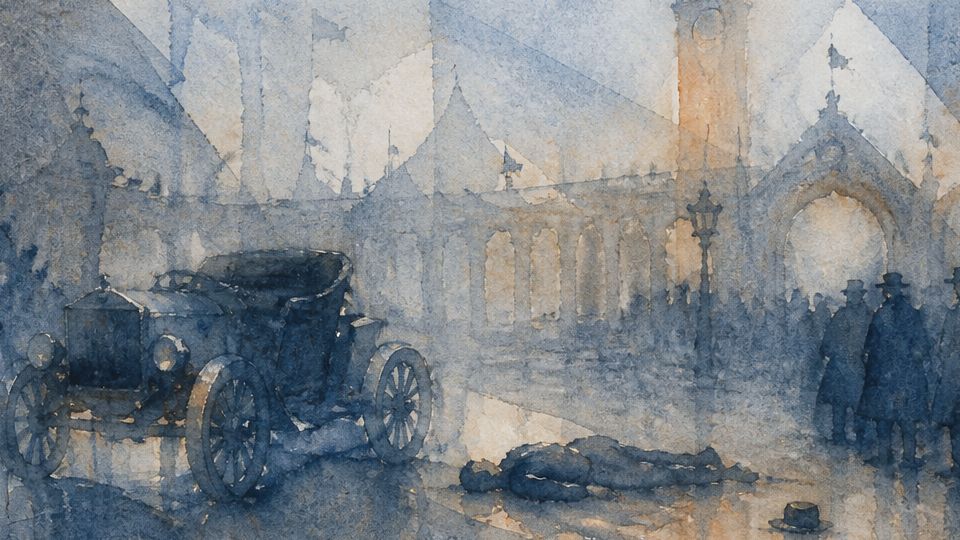
The reaction was a proper faff. Magistrates and reporters treated the affair like a calamity from the future. People who had spent their lives shoeing horses suddenly decided they were experts on motors. Some called the driver a barmpot. Others pronounced the invention itself gormless. I remember thinking the hysteria was daft as a brush.
What matters is the human detail. Bridget was 44. She had family and a life that mattered more than any demonstration. The coroner quizzed witnesses about speed and control. He told those present that the new machines must be handled with care, and the crowd left feeling a bit clap cold about progress. A few blamed the absence of simple precautions, and others sought comfort in ritual outrage.
The case did two things. It made people take motor safety seriously, even if it took a tragic example to do so. It also revealed how quickly public opinion can sling its hook and look for someone to blame. The whole affair was played out in a ginnel of gossip and print, and the motor industry had to fettle its exhibitions from that day on.
Reading the old reports, one notices how Victorian Britain could be chuffed by novelty and also quick to gip when novelty misbehaved. The story of Bridget Driscoll sits oddly between bravery and bungling. It is a small, sharp reminder that invention arrives with surprises, and sometimes those surprises are fatal.