
Adolph Beck and the Extraordinary Case of the Wrong Man
Category: Borrowed Identities 24th June 2026
Innocence, it would appear, is frightfully vulnerable to a bad haircut and an unlucky passport photograph. Adolph Beck, a quiet Norwegian who drifted into London life in the late nineteenth century, found himself pulled through the criminal courts not for what he had done but for who he resembled on a very particular day.
The central mischief involved a genuine confidence trickster who, with splendid charm and a talent for lying, assumed a string of false names and social masks to woo money from respectable women. Those aliases were clever. The real fellow was dreadful at keeping his paperwork tidy. The police were rather proud of their identifications. Witnesses, embarrassed and eager, were terribly sure. The result resembled a theatrical performance where the wrong actor took the final bow and the audience applauded the scenery.
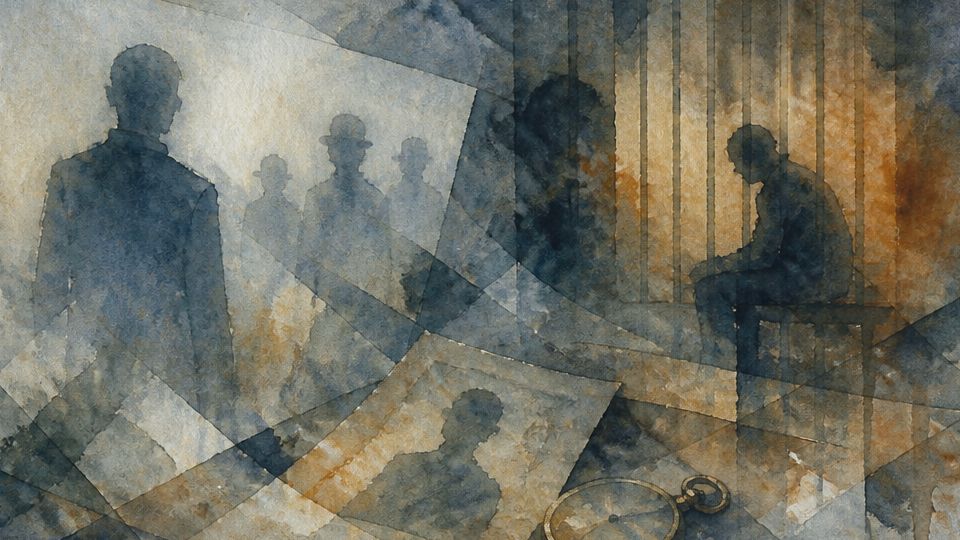
Beck was identified repeatedly by victims who had been conned. He was tried and convicted. He served prison time. The tale that followed was an utter mess of lookalikes, poor cross examination and official procedure that seemed to believe a single confident witness more than a stack of quieter facts. It was absurd to the point of being comic and dreadful to the point of being criminal.
What makes this case persist in the dusty files is its consequence. After years of legal fuss, newspaper rows and the patient work of investigators who kept saying oh bugger to comfortable certainties, the public and parliament were forced to admit that identification can fail spectacularly. A legal fix followed years later. The law changed in a way that would make it harder for another old fellow to be marched away because of a shared jawline.
There is a human deliciousness to watching institutions stumble and then, eventually, tidy themselves up. The Beck affair remains a warning. Good manners, ravishing smiles and borrowed names will always tempt gullibility. The clever remedy was to treat eyewitness certainty with scepticism. Bravo to those who argued for it. A man spent yonks in gaol because we preferred a neat story to careful inquiry. That is both preposterous and, regrettably, true.